
 简体中文
简体中文 English
 عربى
عربى
PE ACP Production Line Guide & Process
Content
- 1 What is a PE ACP Production Line
- 2 Main Components of PE ACP Production Line
- 3 PE ACP Manufacturing Process Flow
- 4 Raw Materials and Quality Requirements
- 5 Quality Control in PE ACP Production
- 6 Production Line Configuration Options
- 7 Energy Efficiency and Environmental Considerations
- 8 Maintenance and Operational Best Practices
- 9 Investment Considerations for PE ACP Production Lines
What is a PE ACP Production Line
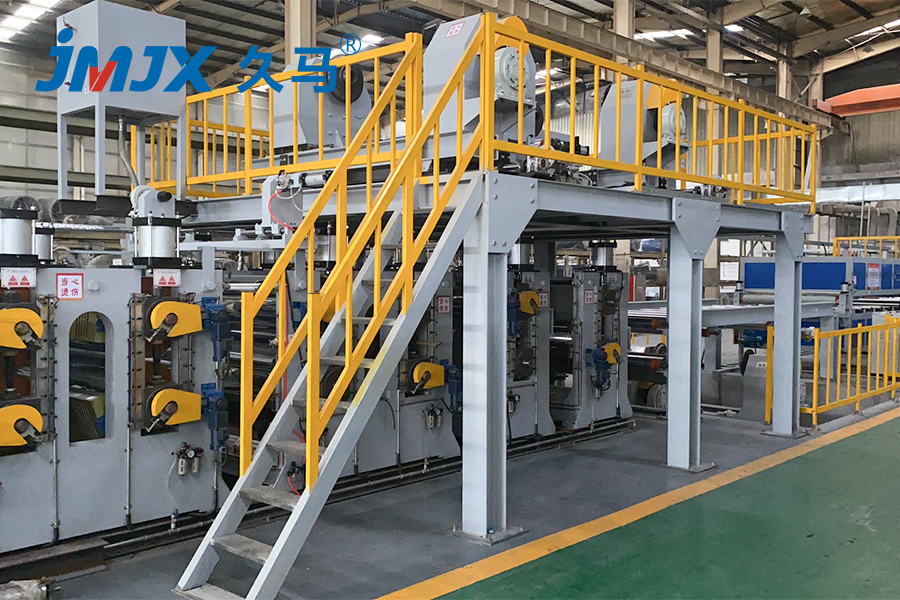
A PE ACP (Polyethylene Aluminum Composite Panel) production line is an integrated manufacturing system designed to produce aluminum composite panels with a polyethylene core. These panels consist of two thin aluminum sheets bonded to a polyethylene core material, creating a lightweight yet rigid construction material widely used in building facades, signage, and interior applications.
The production line combines multiple processes including aluminum coil uncoiling, surface cleaning and treatment, adhesive application, core material extrusion, lamination under heat and pressure, cooling, trimming, and finally cutting to size. Modern PE ACP production lines are highly automated systems capable of producing panels with consistent quality at high speeds, typically ranging from 5 to 25 meters per minute depending on panel specifications and line configuration.
Main Components of PE ACP Production Line
Uncoiling System
The uncoiling system feeds aluminum coils into the production line with precise tension control. This section typically includes two uncoilers to allow continuous production when changing coils. The system maintains constant tension regardless of coil diameter changes, preventing material deformation and ensuring smooth feeding throughout the process.
Modern uncoiling systems feature hydraulic or pneumatic expansion shafts for quick coil changes, automatic edge alignment systems, and tension sensors that communicate with the line control system. Proper tension management at this stage is critical for preventing wrinkles, waves, or other surface defects in the finished panels.
Cleaning and Treatment Station
The cleaning station removes oils, dust, and contaminants from aluminum surfaces to ensure optimal adhesion. This process typically involves chemical cleaning with alkaline solutions, rinsing with deionized water, and drying with hot air blowers. Some advanced lines include corona or plasma treatment to further enhance surface energy and bonding strength.
Surface preparation quality directly impacts the peel strength and long-term durability of the composite panel. The cleaning system must maintain consistent chemical concentrations and temperatures while managing wastewater treatment to meet environmental regulations.
Coating and Laminating Section
This critical section applies adhesive primers to the cleaned aluminum surfaces and laminates them with the polyethylene core material. The coating system uses precision rollers or spray applicators to apply uniform adhesive layers. The PE core is typically fed from an extruder that melts polyethylene pellets and forms a continuous sheet of controlled thickness.
The laminating process occurs in a series of heated press rollers that bond the aluminum skins to the PE core under controlled temperature and pressure. Multiple roller stages gradually increase pressure while maintaining optimal temperature, typically between 180-220°C, to ensure complete bonding without damaging the aluminum coating or causing core material degradation.
Cooling and Calibration System
After lamination, panels pass through a cooling section where they are gradually brought to ambient temperature. Controlled cooling prevents thermal stress, warping, and internal tension that could affect panel flatness. The cooling system typically uses water-cooled rollers or air cooling chambers with precise temperature monitoring.
Calibration rollers follow the cooling section to ensure panel thickness uniformity and flatness. These rollers apply gentle pressure across the panel width, correcting any minor variations and establishing the final panel geometry.
Cutting and Stacking System
The final section includes edge trimming to remove irregular edges and flying shears or rotary cutters for length cutting. Modern systems use servo-controlled cutting mechanisms for precise dimensions and clean edges without deformation. Automatic stacking systems arrange cut panels on pallets with protective interleaving material to prevent surface damage during handling and transportation.
PE ACP Manufacturing Process Flow
| Process Stage | Function | Key Parameters |
| Material Unwinding | Feed aluminum coils continuously | Tension 50-150 N, speed synchronization |
| Surface Preparation | Clean and activate aluminum surface | pH 10-12, temperature 50-60°C |
| Primer Application | Apply adhesive bonding layer | Coating thickness 3-8 μm |
| Core Extrusion | Form PE core material sheet | Temperature 200-240°C, thickness control |
| Hot Pressing | Bond layers under heat and pressure | 180-220°C, 0.3-0.8 MPa pressure |
| Cooling | Solidify bond and reduce temperature | Gradual cooling to 40-50°C |
| Trimming and Cutting | Achieve final panel dimensions | Dimensional tolerance ±2mm |
Raw Materials and Quality Requirements
Aluminum Skin Specifications
The aluminum skins typically use alloys 1100, 3003, or 5005 with thickness ranging from 0.15mm to 0.50mm depending on panel application and required mechanical properties. Pre-coated aluminum with PVDF or polyester finishes is commonly used for exterior applications, while mill finish or special decorative coatings may be selected for interior use.
- Aluminum purity should meet ASTM B209 or equivalent standards
- Surface coating must have uniform thickness and color consistency
- Coating adhesion should pass cross-hatch and boiling water tests
- Coil flatness tolerances must be within 3mm per meter
Polyethylene Core Material
The PE core material uses either virgin low-density polyethylene (LDPE) or linear low-density polyethylene (LLDPE) with specific density requirements between 0.91-0.94 g/cm³. Some formulations include additives for UV resistance, fire retardancy, or enhanced thermal stability. Core material quality directly affects panel rigidity, thermal insulation properties, and processing characteristics.
Virgin PE material ensures consistent melt flow index and thermal properties, critical for achieving uniform core thickness during extrusion. Recycled content, when permitted, must be carefully controlled to maintain mechanical properties and prevent contamination that could affect bonding or long-term durability.
Adhesive Systems
Adhesive primers create the chemical bond between aluminum and polyethylene, materials that naturally have poor adhesion to each other. Modified polyethylene adhesives, often containing maleic anhydride grafted polymers, provide the necessary compatibility with both substrates. The adhesive must withstand thermal cycling, moisture exposure, and mechanical stress throughout the panel's service life.
Quality Control in PE ACP Production
In-Process Monitoring
- Continuous thickness measurement using ultrasonic or laser sensors at multiple line positions
- Temperature monitoring at each heated roller stage with automatic PID control
- Pressure monitoring in lamination rollers to ensure consistent bonding force
- Visual inspection systems to detect surface defects, color variations, or contamination
- Edge alignment verification to prevent material waste and quality issues
Finished Panel Testing
Quality assurance requires regular testing of finished panels according to international standards such as ASTM, EN, or GB specifications. Critical tests include peel strength measurement, which evaluates the bond between aluminum and core material. Standard specifications typically require minimum peel strengths of 6-8 N/cm for commercial grade panels and 10-12 N/cm for premium products.
Additional testing includes panel flatness measurement, dimensional accuracy verification, coating thickness inspection, and mechanical property evaluation including tensile strength and flexural rigidity. Environmental testing such as accelerated weathering, thermal cycling, and humidity exposure may be conducted on representative samples to ensure long-term performance.
Common Defects and Prevention
| Defect Type | Cause | Prevention Method |
| Delamination | Poor surface preparation or insufficient bonding pressure | Optimize cleaning process, increase lamination pressure |
| Thickness Variation | Unstable extrusion or roller gap inconsistency | Calibrate roller gaps, stabilize extruder temperature |
| Surface Wrinkles | Improper tension control in unwinding section | Adjust tension settings, check alignment systems |
| Color Inconsistency | Different aluminum coil batches or contamination | Use single batch for continuous runs, improve cleaning |
| Panel Warping | Excessive cooling rate or thermal stress | Reduce cooling speed, ensure symmetric heating |
Production Line Configuration Options
Standard Production Lines
Standard PE ACP production lines are designed for continuous operation producing panels of fixed width, typically 1220mm, 1500mm, or 2000mm. These lines incorporate basic automation for unwinding, laminating, cooling, and cutting operations. Production speeds range from 5-15 meters per minute depending on panel thickness and core material type. Standard lines represent the most cost-effective solution for manufacturers with stable product specifications and moderate production volumes.
High-Speed Production Lines
High-speed lines incorporate advanced automation, servo-controlled systems, and optimized thermal management to achieve production speeds of 15-25 meters per minute. These systems feature rapid coil changing mechanisms, advanced tension control, and high-capacity extruders. Enhanced cooling systems allow faster line speeds while maintaining product quality. High-speed lines justify their additional investment through increased output and reduced per-unit production costs for high-volume manufacturers.
Multi-Layer and Specialty Lines
Specialty production lines accommodate additional layers or alternative core materials. Some configurations include barrier layers for improved fire resistance, additional PE layers for increased panel thickness, or hybrid cores combining different materials. These lines require additional extruders, more complex lamination sequences, and sophisticated control systems to manage the increased process complexity.
Energy Efficiency and Environmental Considerations
Power Consumption Optimization
PE ACP production lines consume significant electrical energy, primarily for heating systems in the lamination section and motors driving various components. Modern lines incorporate energy recovery systems that capture waste heat from cooling sections and redirect it to pre-heating operations. Variable frequency drives on motors reduce power consumption during startup and allow precise speed control matched to production requirements.
Insulation improvements on heated rollers and extruders minimize heat loss, reducing the energy required to maintain process temperatures. Some advanced lines monitor energy consumption in real-time, allowing operators to identify inefficiencies and optimize operating parameters for minimum energy use while maintaining product quality.
Waste Management
Edge trimming and startup scrap represent the primary solid waste streams in PE ACP production. Efficient lines minimize startup time and optimize width utilization to reduce material waste. Trimmed edges can be recycled, with aluminum separated and returned to aluminum suppliers and PE material reprocessed for use in non-critical applications or sold to recyclers.
The cleaning process generates wastewater containing alkaline solutions and aluminum particles. Proper treatment systems neutralize chemicals, remove suspended solids, and allow water reuse or safe discharge according to environmental regulations. Closed-loop cleaning systems reduce both water consumption and waste generation.
Maintenance and Operational Best Practices
Preventive Maintenance Schedule
- Daily inspection of roller alignment, cleaning system operation, and cutting blade condition
- Weekly lubrication of drive chains, bearings, and moving components
- Monthly calibration of temperature sensors, pressure gauges, and thickness measuring devices
- Quarterly inspection of electrical systems, heating elements, and safety devices
- Annual overhaul of critical components including extruder screws, press rollers, and drive motors
Operator Training Requirements
Effective PE ACP production requires skilled operators who understand both the mechanical and chemical aspects of the process. Training should cover material handling procedures, line startup and shutdown sequences, quality control methods, and troubleshooting common problems. Operators must recognize early signs of process deviations and make appropriate adjustments before quality issues occur.
Safety training is equally important, covering proper lockout-tagout procedures, handling of heated components, chemical safety for cleaning solutions, and emergency response protocols. Regular refresher training ensures operators maintain proficiency and stay updated on any process or equipment modifications.
Performance Monitoring and Optimization
Modern production lines incorporate data logging systems that track key performance indicators including production speed, downtime events, quality metrics, and energy consumption. Analyzing this data reveals opportunities for process optimization, identifies recurring problems, and supports continuous improvement initiatives.
Establishing baseline performance metrics allows operators to detect gradual degradation in line performance before it significantly impacts productivity or quality. Regular performance reviews comparing actual results to targets help maintain optimal operating conditions and justify maintenance investments or equipment upgrades.
Investment Considerations for PE ACP Production Lines
Investing in a PE ACP production line requires careful evaluation of market demand, production capacity needs, and available capital. Line costs vary significantly based on production speed, automation level, and panel width capability, typically ranging from $500,000 for basic configurations to over $3,000,000 for high-speed, fully automated systems.
Beyond equipment costs, investors must consider facility requirements including adequate floor space (typically 60-120 meters length), three-phase electrical power with sufficient capacity (300-800 kW), water supply and drainage, compressed air systems, and material storage areas. Installation and commissioning add 10-15% to equipment costs, while operator training and startup support require additional investment.
Return on investment depends on production volume, material costs, local labor rates, and selling prices in the target market. Detailed financial modeling should account for raw material costs (representing 60-70% of production costs), energy consumption, labor, maintenance, and overhead. Market analysis verifying demand for specific panel types, colors, and thicknesses is essential before committing to equipment purchases. Most manufacturers achieve payback periods of 2-5 years depending on market conditions and operational efficiency.
News
-
1. Introduction to Laminating Production Line The laminating production line is not simply a machine—it is a strategic s...
READ MORE -
1. Introduction: The Building Block of Modern Architecture Look around any modern cityscape. The shimmering facades of s...
READ MORE -
Introduction to PE Aluminum Composite Panel (ACP) Production 1.1. Brief Overview of PE ACP and Its Applications Polyethy...
READ MORE
 Phone: +86-180 1500 4677
 Tel: +86-519 8899 7278
 Email:
Factory Address 1: No. 19, Guangyi Road, East Development Zone, Guangde City, Anhui Province, China
Factory Address 2: No. 205, Changwu South Road, Wujin District, Changzhou City, Jiangsu Province, China
Copyright © Guangde JiuMa Machinery Co., Ltd.
