
 简体中文
简体中文 English
 عربى
عربىIndustry News
Home / News / Industry News / Setting Up a PE Aluminum Composite Panel Production Line: A Comprehensive Guide

Introduction to PE Aluminum Composite Panel (ACP) Production
1.1. Brief Overview of PE ACP and Its Applications
Polyethylene (PE) Aluminum Composite Panels (ACPs) are versatile materials primarily used in construction, signage, and interior design. These panels are made up of two thin layers of aluminum surrounding a core made of polyethylene. PE ACPs offer an ideal combination of durability, lightweight nature, and aesthetic appeal, making them an attractive option for a wide variety of applications, from building facades to interior decoration and even vehicle wrapping.
The two main reasons for the widespread use of PE ACPs are their superior mechanical properties and excellent weather resistance. These materials can withstand harsh environments, maintain their integrity over time, and provide a sleek, modern look to buildings and structures. Additionally, their ease of maintenance and long lifespan further contribute to their popularity.
1.2. Importance of a Well-Structured Production Line
A well-organized and streamlined production line is essential for ensuring the consistent quality, efficiency, and cost-effectiveness of PE ACP manufacturing. The process involves various stages, from the preparation of raw materials to the final product inspection, and requires careful integration of machinery, technology, and human expertise. An optimized production line reduces waste, minimizes downtime, and enhances output quality, which is crucial in the highly competitive ACP market.
1.3. Market Demand and Growth Trends for PE ACP
The global market for PE ACPs has been experiencing robust growth due to the booming construction and infrastructure sectors, as well as the increasing demand for energy-efficient and eco-friendly building materials. With rapid urbanization, especially in emerging economies, PE ACPs have become a go-to choice for building exteriors, especially in skyscrapers and commercial buildings. Furthermore, ongoing trends toward sustainable construction and the use of recyclable materials are expected to drive the growth of PE ACP production in the coming years.
Understanding PE ACP Composition and Properties
2.1. Detailed Breakdown of PE Core and Aluminum Skin Layers
PE ACPs consist of three primary components: the PE core and two aluminum layers. The outer layers of aluminum provide strength and durability, while the polyethylene core offers flexibility and sound insulation. The composition of the PE core is typically made from a combination of low-density polyethylene (LDPE) and flame-retardant additives, ensuring both structural integrity and fire resistance. The aluminum skin is usually coated with a protective film to safeguard against scratches and oxidation during the manufacturing process.
2.2. Key Properties: Flexibility, Durability, and Weather Resistance
One of the most appealing properties of PE ACPs is their flexibility, which allows them to be fabricated into a variety of shapes and sizes. This flexibility is critical for use in building facades, signage, and custom design applications. Additionally, the durability of PE ACPs ensures they can withstand extreme weather conditions, including UV rays, wind, and rain, without losing their aesthetic appeal. The aluminum layers protect against corrosion, while the PE core provides insulation, making these panels a reliable and energy-efficient choice for construction.
2.3. Advantages and Limitations of PE ACP Compared to Other Materials
PE ACPs offer several advantages over traditional building materials like concrete, brick, and wood. They are lighter, making them easier and more cost-effective to transport and install. They also provide superior thermal insulation, helping to maintain energy efficiency in buildings. However, one limitation of PE ACPs is their relatively lower fire resistance compared to fireproof versions, such as mineral core ACPs. This can limit their use in high-risk areas unless specific coatings or treatments are applied to improve fire safety.
Essential Machinery and Equipment
3.1. Decoiler: Function and Specifications
The decoiler is the first piece of machinery in the PE ACP production line. Its function is to unwind and feed the aluminum coils into the production process. Decoilers are typically equipped with tension control systems to ensure consistent feed speeds and to avoid wrinkles or damage to the coils. The specifications of the decoiler depend on the width and thickness of the aluminum coil being used.
3.2. Laminating Machine: Types and Features for ACP
The laminating machine is responsible for bonding the aluminum sheets to the PE core. There are two main types of laminating machines used in PE ACP production: roll-to-roll and continuous laminating machines. The choice of machine depends on the production volume and the desired thickness of the panels. Advanced laminating machines are equipped with high-temperature and pressure control systems to ensure the perfect adhesion between the aluminum layers and the polyethylene core.
3.3. Extrusion Machine: Details on Extruding the PE Core
The extrusion machine plays a critical role in forming the PE core of the ACP. The polyethylene resin is melted and extruded into a continuous sheet, which is then cut to the required thickness. Extrusion machines are carefully calibrated to control the density and thickness of the PE core, ensuring that the panels meet the desired specifications for strength, flexibility, and thermal insulation.
3.4. Cooling System: Importance in the Lamination Process
Once the PE core is extruded, it must be cooled before proceeding to the lamination stage. The cooling system is vital for solidifying the material, ensuring that it retains its shape and dimensions. Air or water cooling systems are commonly used to achieve rapid cooling, preventing any deformations or warping in the final product.
3.5. Cutting and Grooving Machines: Precision and Automation
Cutting and grooving machines ensure that the PE ACPs are trimmed to precise dimensions and feature accurate grooves for installation. These machines are equipped with automatic controls and high-precision blades, allowing for efficient and accurate cutting of large panels into smaller sections, as well as the creation of grooves or perforations required for specific applications.
3.6. Quality Control Equipment: Ensuring Standards and Consistency
Maintaining consistent quality is vital in the production of PE ACPs. A variety of quality control equipment is employed throughout the manufacturing process, including automated visual inspection systems, thickness measurement tools, and adhesion testers. These devices help detect defects, such as air bubbles or inconsistencies in coating thickness, ensuring that only high-quality panels reach the market.
Step-by-Step Production Process
4.1. Aluminum Coil Preparation: Cleaning and Pre-treatment
Before beginning the lamination process, the aluminum coils must be thoroughly cleaned to remove any contaminants such as oils, dust, or oxidation. This is typically done using chemical or mechanical cleaning methods, followed by a pre-treatment process to ensure proper adhesion during lamination.
4.2. PE Core Extrusion: Setting Parameters for Thickness and Density
The polyethylene resin is fed into an extrusion machine, where it is heated, melted, and extruded into a sheet. Parameters such as temperature, pressure, and extrusion speed are carefully controlled to achieve the correct thickness and density for the PE core. The extrusion process is critical for ensuring that the core meets the required strength and insulation properties.
4.3. Lamination Process: Bonding Aluminum Layers to the PE Core
Once the PE core is prepared, it is fed into the laminating machine, where it is bonded with the aluminum layers. The laminating process involves high pressure and temperature to ensure a strong bond between the materials. This stage is vital for ensuring that the final product has the necessary strength and durability.
4.4. Cooling and Solidification: Ensuring Proper Adhesion
After lamination, the panels are passed through a cooling system to solidify the bond between the PE core and the aluminum sheets. The cooling process is essential for ensuring that the final product retains its shape and that the adhesive bond is strong and uniform.
4.5. Cutting and Sizing: Meeting Specific Dimension Requirements
Once the laminated panel has cooled, it is passed through a cutting machine to meet the required size and shape. The panels are carefully measured to ensure they meet customer specifications for length, width, and thickness.
4.6. Quality Inspection: Identifying and Rectifying Defects
During and after the cutting process, each panel is inspected for defects such as bubbles, scratches, or uneven bonding. Automated systems or manual inspection processes are used to identify and rectify any issues before the product moves on to the next stage.
4.7. Protective Film Application: Preventing Surface Damage
To protect the surface of the panels during transportation and installation, a protective film is applied. This film prevents scratches and other surface damage from occurring. It is usually removed by the customer after installation.
Factors Affecting Production Line Costs
5.1. Initial Investment: Machinery, Equipment, and Facility Setup
Setting up a PE ACP production line requires significant initial investment in machinery, facility construction, and raw materials. High-quality equipment, such as extrusion machines, laminating machines, and cooling systems, can represent a large portion of the startup costs.
5.2. Raw Material Costs: Aluminum, PE, and Adhesives
The cost of raw materials is a key factor in determining the overall production cost. Aluminum, polyethylene, and the adhesives used in the lamination process can fluctuate in price depending on market conditions, which directly impacts the final product's cost.
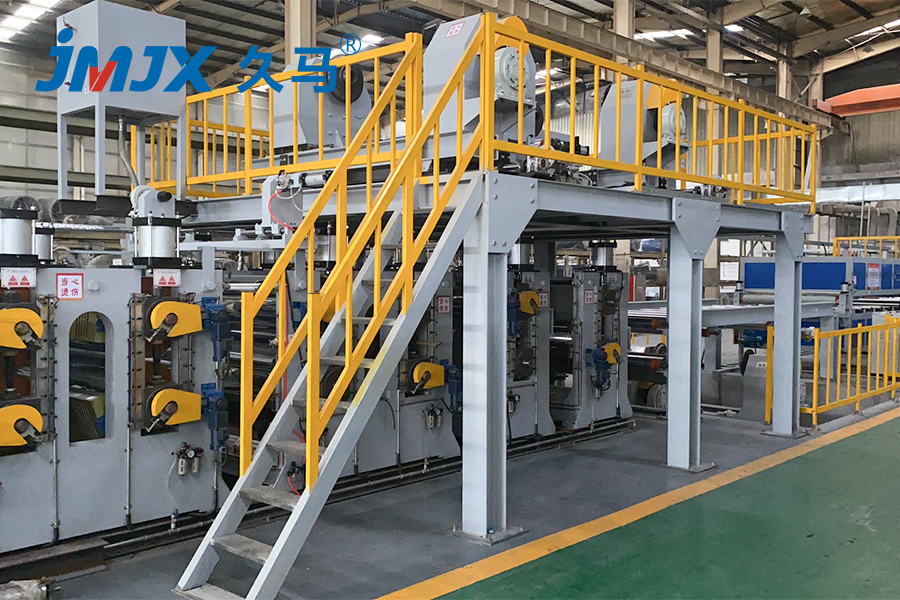
5.3. Operational Expenses: Energy, Labor, and Maintenance
Energy consumption is another major factor, as extrusion and lamination processes require significant electricity and heat. Labor costs, maintenance, and repair expenses also contribute to the ongoing operational costs of the production line.
5.4. Scalability: Expanding Production Capacity
The scalability of the production line is crucial for accommodating growing demand. Expansion costs may include the purchase of additional machinery, increased labor, and larger facility spaces.
5.5. ROI (Return on Investment) Analysis
A thorough ROI analysis is essential to evaluate the profitability of a PE ACP production line. This involves assessing the initial investment against projected revenues and considering factors such as production efficiency, raw material costs, and market demand.
Quality Control and Testing Procedures
6.1. Adhesion Testing: Ensuring Bond Strength
One of the most critical aspects of PE ACP production is the adhesion between the aluminum layers and the polyethylene core. The bond strength is tested through various methods such as the peel test and shear test. These tests ensure that the adhesive bond is strong enough to prevent delamination during the panel's life cycle. A failure in adhesion can lead to significant product damage, compromising both aesthetic appeal and structural integrity.
6.2. Thickness Measurement: Maintaining Consistent Dimensions
Accurate thickness measurement is essential for ensuring the uniformity of the finished panels. Instruments such as micrometers and automated thickness measurement systems are used to monitor and control the thickness of both the aluminum layers and the PE core. Consistency in thickness is critical not only for aesthetic purposes but also for the panel’s mechanical and thermal performance.
6.3. Surface Finish Inspection: Identifying Imperfections
The surface finish of the PE ACP is another important quality parameter. Automated optical inspection systems are used to identify any imperfections such as dents, scratches, or uneven coatings. Any defects that could compromise the visual quality of the product are flagged, and defective panels are removed from the production line.
6.4. Weather Resistance Testing: Evaluating Long-Term Performance
PE ACPs are designed to withstand harsh weather conditions, so weather resistance testing is crucial. Accelerated weathering tests, such as UV exposure and salt spray testing, simulate years of exposure to sun, rain, and wind. These tests help to ensure that the panels maintain their integrity and appearance over time, even under the harshest environmental conditions.
6.5. Fire Resistance Testing: Compliance with Safety Standards
Fire resistance is an important consideration, particularly in construction applications. Fire resistance tests evaluate how well PE ACPs resist combustion and whether they meet regulatory standards. While PE core panels are not inherently fireproof, various coatings and additives can be applied to improve fire resistance, making the panels suitable for a wider range of applications.
Automation and Efficiency Improvements
7.1. Automated Feeding Systems: Enhancing Material Flow
Automated feeding systems are increasingly used to streamline the process of feeding aluminum coils and polyethylene resin into the production line. These systems reduce human error and improve material flow, ensuring that the panels are produced efficiently and consistently. They also help reduce labor costs and increase production speeds, allowing manufacturers to meet growing demand.
7.2. Robotic Cutting and Handling: Increasing Precision and Speed
Robotic systems have become an essential part of the cutting and handling process in PE ACP production. Robots can perform precise and quick cuts, increasing both speed and accuracy. They can also handle large panels with ease, reducing the risk of damage during transport and increasing overall production efficiency. By integrating robotics, manufacturers can ensure a high level of precision in the production line.
7.3. Real-Time Monitoring: Tracking Production Parameters
Real-time monitoring systems allow manufacturers to track critical production parameters such as temperature, pressure, and speed throughout the process. These systems provide valuable data for process optimization, identifying areas where improvements can be made. By analyzing production data in real-time, manufacturers can address potential issues before they lead to defects or delays, ensuring consistent product quality.
7.4. Data Analytics: Optimizing Process Efficiency
Data analytics plays a key role in optimizing PE ACP production. By collecting and analyzing data from various stages of the production process, manufacturers can identify trends, predict maintenance needs, and improve operational efficiency. Predictive maintenance algorithms, for example, can help prevent machine breakdowns by analyzing equipment performance data and predicting when maintenance is needed, reducing unplanned downtime.
Common Problems and Solutions
8.1. Delamination Issues: Causes and Prevention
Delamination is one of the most common problems in PE ACP production. It occurs when the bond between the aluminum layers and the PE core fails, resulting in separation. This can be caused by poor adhesion, improper temperature or pressure during lamination, or contamination on the surfaces of the materials. To prevent delamination, it is essential to ensure proper surface preparation, control of lamination parameters, and use of high-quality adhesives.
8.2. Surface Imperfections: Identification and Corrective Measures
Surface imperfections such as scratches, dents, and discoloration can negatively affect the aesthetic appeal of PE ACPs. These imperfections can occur during handling, machining, or during the coating process. Identifying the root cause of surface imperfections—whether it's inadequate protective film application, improper storage, or issues with the coating system—can help manufacturers correct the problem. Regular inspection during the production process and post-production quality checks are essential for identifying these issues early.
8.3. Dimensional Inaccuracies: Troubleshooting and Solutions
Dimensional inaccuracies in PE ACPs can arise from errors in cutting, extrusion, or cooling. Variations in thickness, length, and width can result in product defects that impact performance and installation. To address this, automated cutting and measuring systems are employed to ensure that panels meet the specified dimensions. Additionally, improving the cooling process and setting tighter extrusion parameters can help reduce dimensional inaccuracies.
8.4. Uneven Coating: Adjustments to Ensure Uniform Application
Uneven coating is another common issue, especially in the lamination stage. It can lead to unsightly streaks or patches that affect the panel's appearance. The causes of uneven coating include improper adhesive application, variation in the speed of the production line, or inconsistent pressure during the lamination process. Ensuring uniform coating requires fine-tuning machine parameters, proper maintenance of coating equipment, and ensuring that the production environment remains free of contaminants.
Safety Measures and Regulations
9.1. Equipment Safety Standards: Compliance Requirements
Ensuring that machinery complies with safety standards is crucial in PE ACP production. Manufacturers must adhere to international safety regulations such as those set by OSHA (Occupational Safety and Health Administration) and the EU Machinery Directive. Equipment such as laminating machines, extrusion machines, and cutting systems should be regularly inspected and maintained to prevent accidents. Safety features like emergency stop buttons, protective guards, and safety sensors must be in place to minimize the risk of injury.
9.2. Worker Safety Protocols: Training and Protective Gear
Worker safety is a top priority in any manufacturing environment. Operators should undergo rigorous training on the safe operation of machinery, hazard recognition, and emergency protocols. Protective gear such as gloves, safety goggles, and ear protection should be provided to minimize the risk of injury from flying debris, loud machinery, or exposure to high temperatures.
9.3. Environmental Regulations: Waste Management and Emission Control
PE ACP production can result in the generation of waste materials, including scraps of aluminum, polyethylene, and chemicals. Manufacturers must comply with environmental regulations that govern waste management and emissions. This includes recycling aluminum scrap, proper disposal of hazardous chemicals, and implementing systems to control emissions from production processes. Many manufacturers are adopting green practices, such as using eco-friendly coatings and reducing energy consumption.
9.4. Fire Safety Measures: Prevention and Suppression Systems
Fire safety is a critical concern in PE ACP production, especially since the materials used in the panels can be flammable under certain conditions. Fire prevention systems, such as smoke detectors, fire suppression sprinklers, and fire extinguishers, should be strategically placed throughout the facility. Additionally, workers should be trained in fire safety protocols to prevent and respond to potential fire hazards.
1. Introduction to Laminating Production Line The laminating production line is not simply a machine—it is a strategic s...
READ MORE1. Introduction: The Building Block of Modern Architecture Look around any modern cityscape. The shimmering facades of s...
READ MOREIntroduction to PE Aluminum Composite Panel (ACP) Production 1.1. Brief Overview of PE ACP and Its Applications Polyethy...
READ MORE
Factory Address 1: No. 19, Guangyi Road, East Development Zone, Guangde City, Anhui Province, China
Factory Address 2: No. 205, Changwu South Road, Wujin District, Changzhou City, Jiangsu Province, China
Copyright © Guangde JiuMa Machinery Co., Ltd.

 Phone: +86-180 1500 4677
 Tel: +86-519 8899 7278
 Email: